The Impact of Heat Treatment Processes on Bulldozer Track Chains

The heat treatment process of bulldozer track chains significantly enhances their performance in the following aspects:

1. Increased Hardness and Wear Resistance: Heat treatments, such as quenching and tempering, can markedly improve the hardness of chain materials. For example, the composite secondary chemical heat treatment method effectively increases the surface hardness and the thickness of the hard layer on the pin shaft, thereby enhancing the chain's wear resistance and durability.

2. Improved Mechanical Properties: Heat treatment processes adjust the microstructure of the material, improving its mechanical properties. By optimizing the heat treatment process of 40Cr steel, the treated mechanical properties can meet or exceed those of the original manufacturing material, 42CrMo steel, fulfilling the operational requirements of the chain.

3. Extended Service Life: Proper heat treatment enhances the fatigue strength and tensile strength of the chain, extending its service life. For instance, applying the quenching-tempering process to drive chain plates and drive chain pins not only increases core hardness and tensile load limits but also significantly saves energy and reduces consumption.

4. Reduced Maintenance Costs: By improving the wear resistance and fatigue resistance of the chain, the frequency of maintenance and replacements due to wear or damage is reduced, thereby lowering long-term operational costs.

5. Adaptability to Different Working Environments: Various heat treatment processes can be optimized according to the working environment and load conditions of the chain, ensuring it maintains good performance under different conditions. For example, medium-frequency induction heat treatment technology can be used for large-diameter chains and various sprockets. By improving tooling structures and heat treatment process parameters, more precise heat treatment effects can be achieved.

In summary, the heat treatment process of bulldozer track chains is a key technology for enhancing their performance. Through appropriate heat treatment, the durability, reliability, and cost-effectiveness of chains can be significantly improved.


Reference link:https://onlinelibrary.wiley.com/doi/10.1002/mawe.201700061
 

Versatile Undercarriage Solutions Navigating Terrain Excellence for Diverse Machinery

In the widely used construction and engineering industries, the quality and reliability of undercarriage parts are crucial. Our factory offers a variety of specifications of undercarriage parts to meet the needs of different types of machinery.

Small undercarriage parts are commonly used in various types of small construction machinery and special vehicles that require excellent off-road performance and stability. Here are some common small equipment and vehicles that may use small undercarriage parts:

  • Mini Excavators: Used in tasks such as urban construction, field cultivation, and pipeline construction. They are typically equipped with undercarriage for better stability and maneuverability.

  • Compact Loaders: Utilized for various material handling tasks, such as moving earth, gravel, and construction materials on construction sites. They also often use undercarriage.

  • Mini Bulldozers: Employed for leveling and grading surfaces in road construction, parking lot development, and small earthmoving projects.

  • Compact Agricultural Tractors: Some small agricultural tractors are equipped with undercarriage for better traction in fields without damaging the soil.

  • Small Snowmobiles and Off-road Vehicles: In snowy, muddy, or rugged terrains, small undercarriage parts can enhance vehicle stability and traction.

  • Gardening and Agricultural Machinery: Small undercarriage parts are also used in some gardening and agricultural machinery, such as plows, seeders, and harvesters, to work in different field conditions.

Additionally, some small robots and robotic vehicles use undercarriage. Undercarriage is particularly useful for robots to move and perform tasks in complex terrains and harsh environments. Here are some examples of small robots using undercarriage:

  • Drainage and Sewage Cleaning Robots: Equipped with undercarriage for traversing different terrains like deserts, forests, urban streets, sewers, etc.

  • Search and Rescue Robots: In search and rescue missions, small robots can use undercarriage to navigate obstacles and perform tasks.

  • Agricultural Robots: Some small agricultural robots are used for planting, weeding, and harvesting crops. They often use undercarriage for mobility.

  • Exploration and Mining Robots: In exploration and mining, small robots can be used for surveying, underground mining, and mine clearing. Their undercarriage allows them to move and operate in mining environments.

  • Educational and Research Robots: Some small robots designed for educational and research purposes use undercarriage to help researchers and students learn and experiment with robotics technology.

The load-bearing capacity of the undercarriage is generally influenced by various factors, including undercarriage design, material quality, structural strength, etc. Here are some common undercarriage specifications and their general suitability for equipment load ranges:

  • 72-Pitch Undercarriage Parts: Typically suitable for micro and mini excavators or compact crawler equipment with a designed load capacity of around 0.8 tons. Suitable for small construction projects, urban construction, and light excavation tasks.

  • 90-Pitch Undercarriage Parts: Generally suitable for small crawler equipment with a designed load capacity ranging from 1 ton to 2 tons. Suitable for medium-sized construction projects, earthmoving projects, and general excavation tasks.

  • 101-Pitch Undercarriage Parts: Can be suitable for medium to medium-large excavators with a designed load capacity ranging from 3 tons to 6 tons.

  • 135-Pitch Undercarriage Parts: Typically suitable for medium-large excavators with a designed load capacity ranging from 8 tons to 12 tons.

  • 154-Pitch Undercarriage Parts: Suitable for large excavators with a designed load capacity of 10-12 tons or more.

It's important to note that the above load capacity ranges are for reference only. The specific application will depend on the excavator model, manufacturer requirements, and the specific needs of the project. When selecting undercarriage parts, it is recommended to consult in detail with the excavator manufacturer or supplier to ensure the selection of the most suitable parts for your equipment.

How can I make my RV seat more comfortable

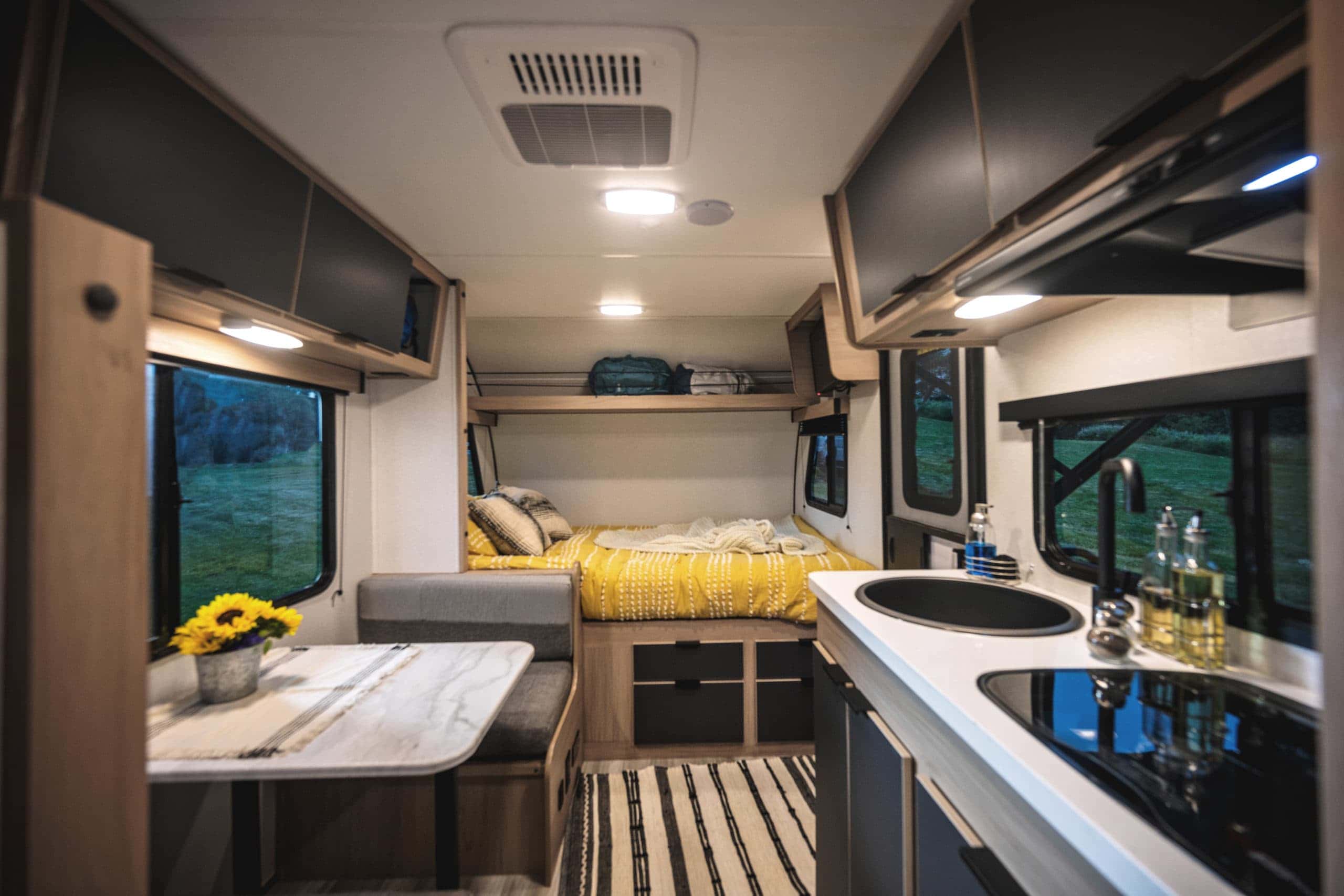
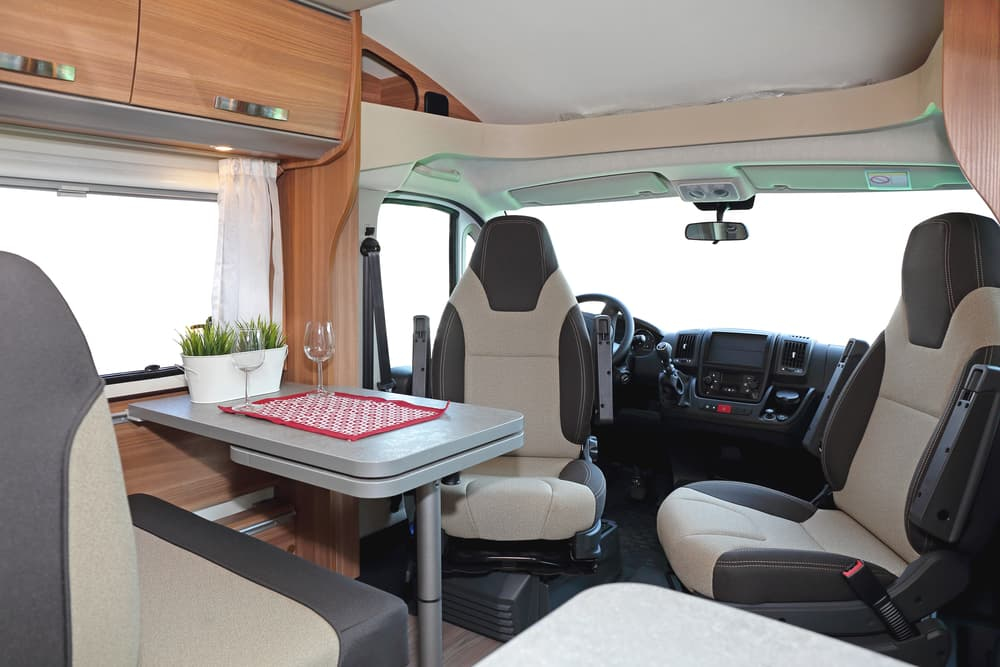
We know that long-distance driving can make people tired and uncomfortable. If you are an RV enthusiast, you may know how important it is to have a comfortable rv seat on the road, and if the seat lacks ergonomic design, the journey will no longer be pleasant.
luxury rv captains chairs

Recently, many customers who bought folding rv seats have consulted us, and they want to make their RV seats more comfortable. Xiamen Van Seat, as an experienced RV seat manufacturing expert, has the following modification suggestions for improving the comfort of RV seats:


1. Choose a special RV seat

RV seats are different from ordinary car seats. If you want to replace the seats for your RV, please choose a more professional RV seat. RV seats have functions such as electric adjustment, heating, ventilation, folding, etc., and have good comfort.

2. Add seat cushions and back cushions

By adding seat cushions and back cushions, the comfort of the seat can be increased to a certain extent. However, when choosing seat cushions and back cushions, you should give priority to materials with breathable and moisture-wicking materials to keep you cool and dry while driving and resting.

3. Modify the seat structure

Consider modifying the seat structure, such as adding lumbar support or headrest adjustment function, to improve the comfort of the ride.

4. Use high-quality materials

Choose durable and easy-to-clean materials such as leather or vinyl, which are not only comfortable but also easy to maintain.

5. Customize the seat


Customize the seat according to personal needs, including the size, shape and function of the seat to maximize comfort. For exampleFor people with limited mobility, Xiamen Van Seat recommends adding handles or extending the sliding mechanism to the seat, which is conducive to the sitting and standing of the passengers.
rv sleeper chair

Through the comfortable modification of the motorhome seat, the owner will enjoy a high-quality sleeping space when resting during the journey. However, Xiamen Van Seat reminds everyone that the premise of increasing the comfort of the RV seat is to ensure that the RV seat is safe and complies with local laws and regulations. If necessary, legal registration and change procedures are required.


Finally, Xiamen Van Seat can provide professional RV seat modification suggestions and high-quality modified RV seats. If you want to replace or upgrade the RV seat, you can contact us at www.luxuryvanseat.com.


What is the most comfortable car seat material

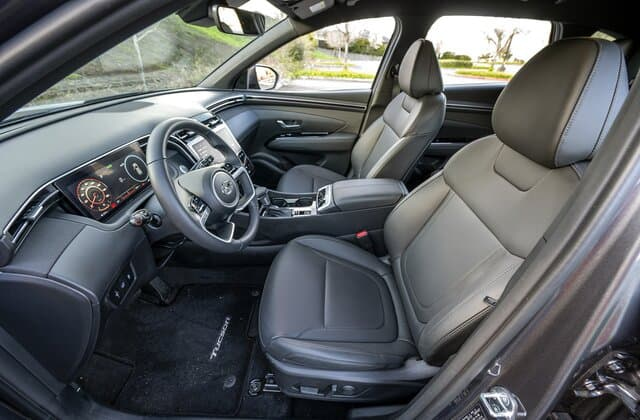
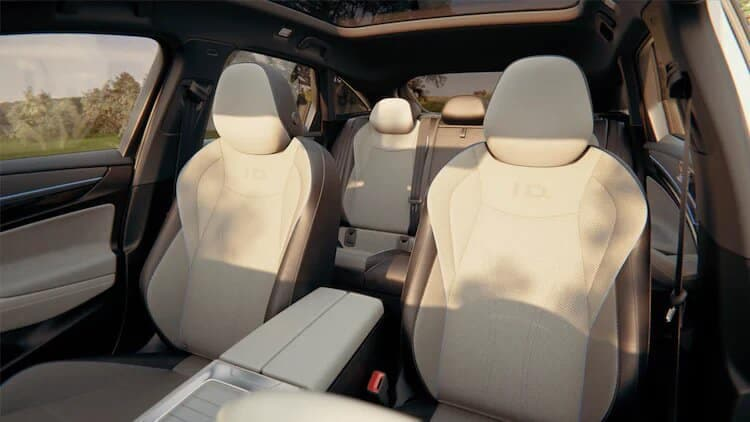
Comfort is one of the important factors to consider when buying conversion car seats. As long as you have a comfortable car seat, you can get a good ride in it whether it is daily commuting or long or short-distance self-driving.


conversion car seats

Different car seat materials give different experiences to passengers. So, which car seat material is the most comfortable? The following are some common car seat materials and their advantages and disadvantages:


1. Leather car seats

Advantages: Leather car seats are stylish and luxurious. They are commonly used in luxury car interior modifications. For car owners, leather seats are easy to clean and durable, and have good comfort.

Disadvantages: Leather materials are sensitive to temperature changes. They feel hot in summer and cold in winter. Therefore, car owners need to maintain leather seats regularly.


2. Synthetic leather (leather imitation)

Advantages: Synthetic leather looks similar to leather, but has a price advantage over leather. It is easy to clean and not prone to wear. Synthetic leather does not react to irritation and allergens, which is a consideration for many people with allergies and sensitive skin.

Disadvantages: Not breathable enough.


3. Nylon:

Advantages: Soft and comfortable to ride, easy to clean, lightweight. Less energy required to produce, can absorb impact, safer.

Disadvantages: Easy to dye, poor breathability, and the possibility of scratching the skin.


4. Polyester:

Advantages: Inexpensive, lightweight, durable, and more durable than many other fabrics.

Disadvantages: Absorbs odors and easily dyed.


5. Alcantara (microfiber):

Advantages: Soft, comfortable, durable, available in a variety of colors, suitable for luxury vehicles.


Disadvantages: Higher price, easy to get liquids and stains, requires careful and professional care.
custom car seat

It is very important to have a high-quality and comfortable car seat. Of course, when choosing a car seat, you need to refer to your current personal preferences and needs, as well as consider durability, maintenance and climate factors. Ensure that you have a comfortable and safe driving and riding experience.


Tip: Xiamen Van Seat can customize seats according to customer needs. If necessary, please contact us at www.luxuryvanseat.com!


Swivel folding car seat factory inspection cooperation

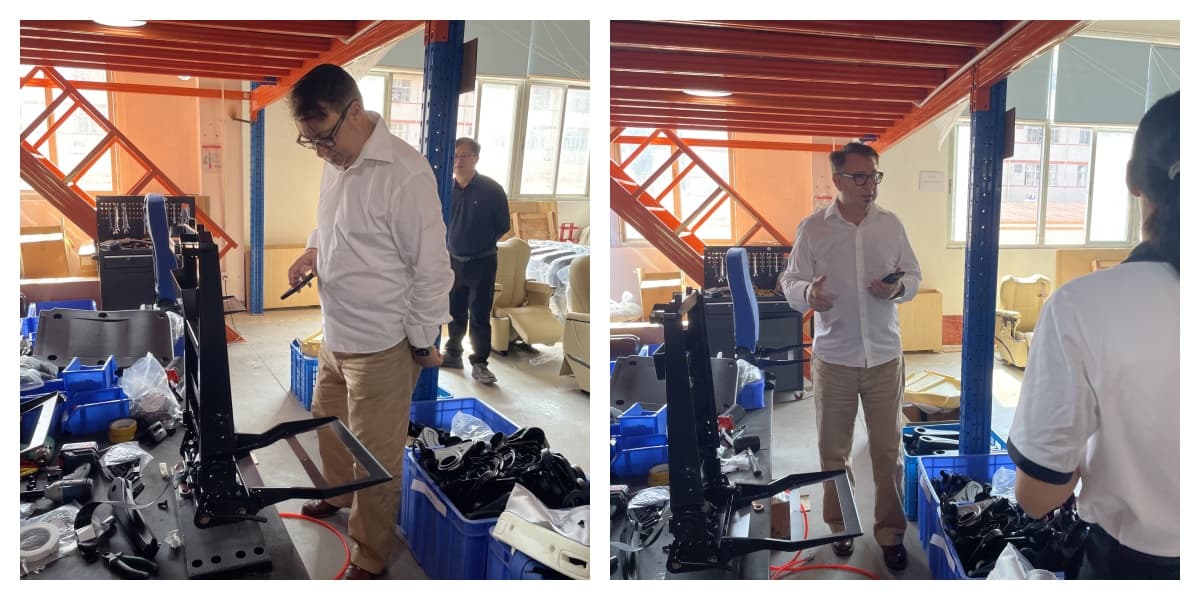
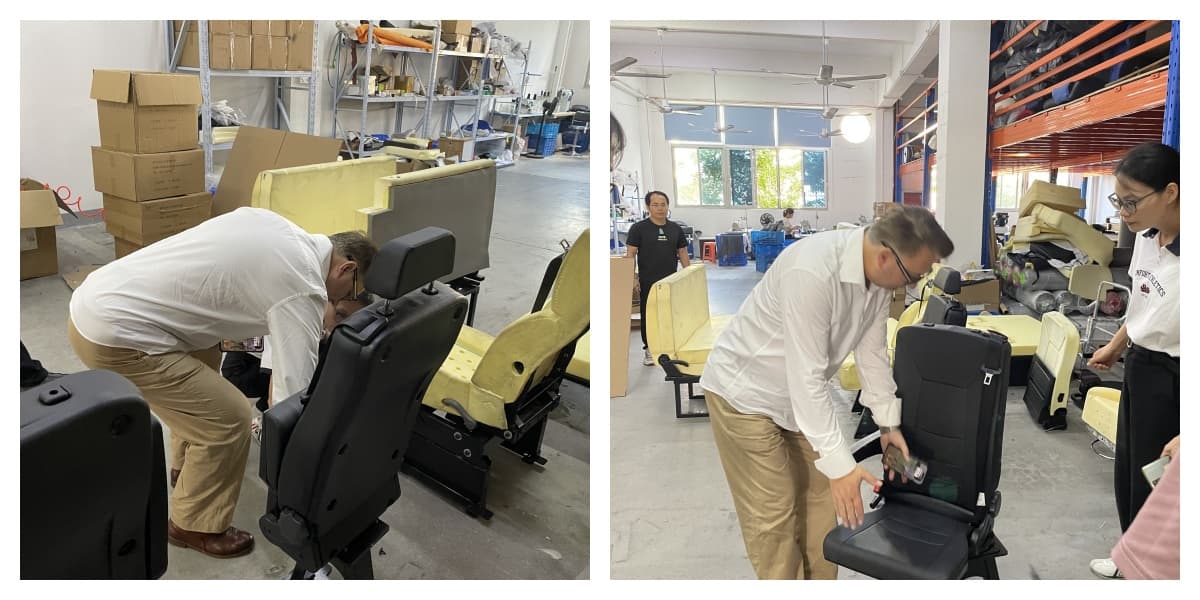
On November 11, 2024, a guest from the United States made a special trip to Xiamen Van Seat for a field visit, and Stella from the company's foreign trade department gave him a warm reception.According to the customer's story, we learned that this was a prime ministerial representative of an American car dealer. By chance, he saw the flip and fold van seats newly launched by Xiamen Van Seat on the website www.luxuryvanseat.com. He was very interested in our rotating folding seats and believed that the function of the seat was crucial to their car. He hoped to introduce a batch of seats every quarter for sales in the United States.


After arriving at Xiamen Van Seat, the customer rested in the reception room. Then Stella took the American customer to the workshop production line and introduced the flip folding chair: This is a multifunctional car seat that can be widely used in trucks, buses, ambulances, fire trucks, RVs, campers and barrier-free vehicles. This is a good luxury van seat, bus seat, ambulance seat, fire engine seat, RV seat, etc. It can quickly provide a seat in a narrow space in the car. When not in use, it can be folded and rotated 180° against the wall to expand the activity space in the car.


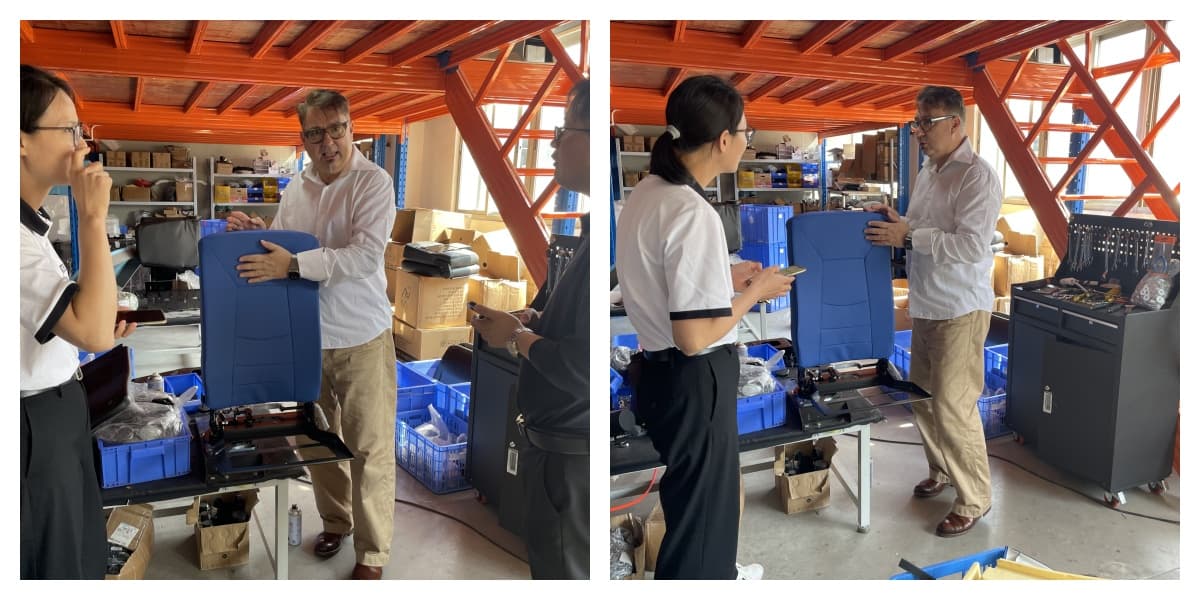
During the evaluation of the seat, the customer asked questions about the seat frame, armrests, leather, etc.


● Original frame 

folding van seat 

Customers can choose the frame material of the seat according to their needs.


Considerations

Material selection

Cost-effectiveness

Q235 steel

Higher strength and toughness

Q440 steel

Lightweight and ultra-high strength

Q590 steel


● Armrest configuration

Foldable seat for van  

Regarding the armrest configuration, Xiamen Van Seat said that it can be set up with single armrest, double armrest and no armrest according to customer needs.


● Leather and stitching

folding Ambulance seat

Folding seats for vans are made of high-quality leather fabric, which is both durable and easy to maintain.

High-quality sewing at the fabric joints can prevent wear and cracking to a certain extent, ensuring the beauty and service life of the seats.


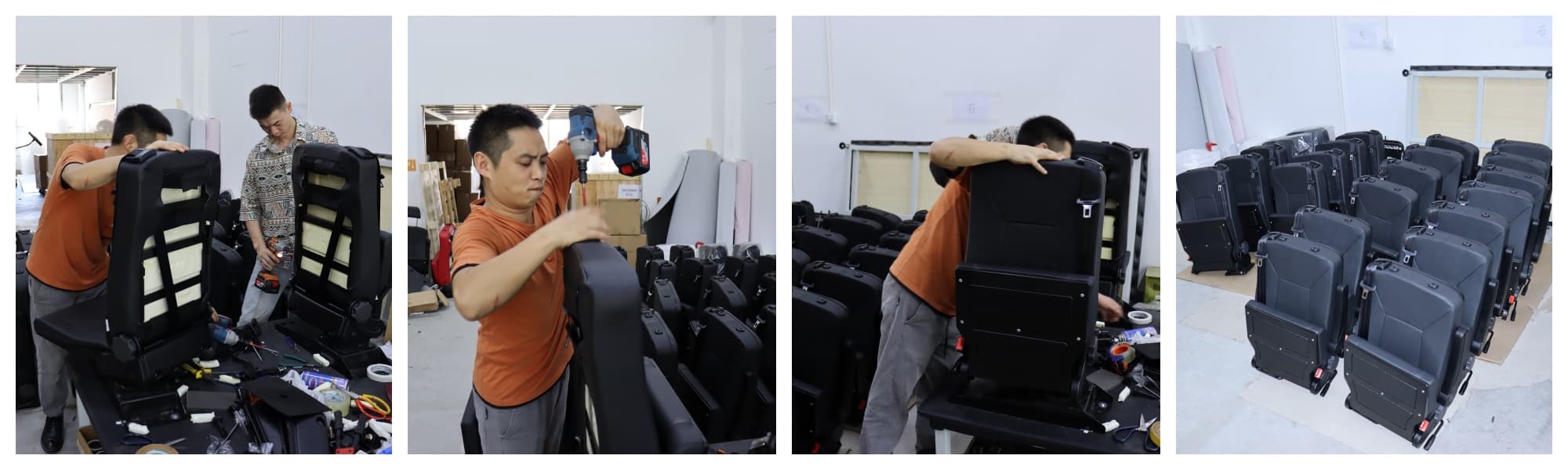
The whole process lasted until 4 pm, and Xiamen Van Seat workers showed the guests the on-site assembly process of fold down van seats,reflecting Xiamen Van Seat's manufacturing and production capabilities.

Folding van seat

After a comprehensive factory inspection and product detail review, the customer signed a contract with Xiamen Van Seat, marking the beginning of a successful cooperation.


Xiamen Van Seat also understands that the Van Seat industry market in the United States is very fierce and customer needs are constantly changing. We will always provide customers with high-quality products and services. We look forward to this cooperation to expand Xiamen Van Seat's influence in the US market and bring greater success and development to both parties.


What's the difference between CNC and ordinary polishing of aluminum alloy car wheels?

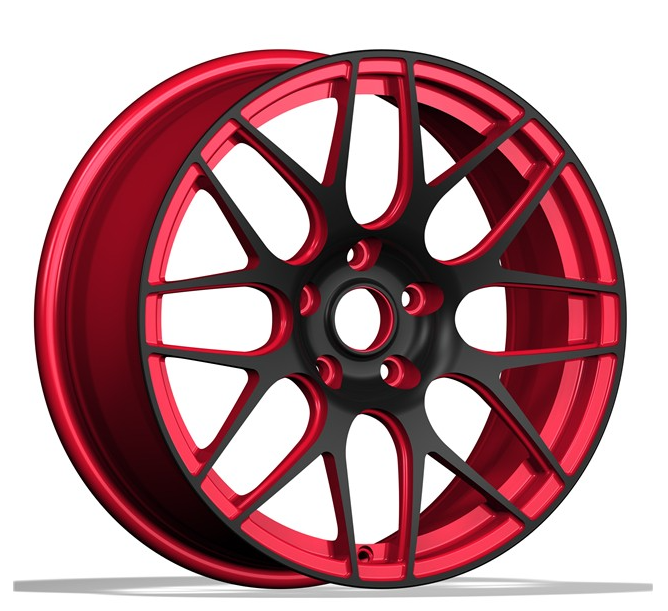
Both CNC and polishing are "cutting" the surface of the wheel hub to achieve a flat effect.But the difference lies in the scale range. If a CNC lathe can be processed at 0.1~1mm, then polishing is processed at 0.01~0.05.Because they have different depths of "knife marks" on the wheels, they have different flatness and different reflective effects. However, due to the insufficient processing depth of the polishing method, the workpiece must be processed to a certain flatness difference by a lathe before the polishing process can be done. So it stands to reason that the wheels will definitely be polished after they have been CNC refined. Otherwise, the rough turning knife marks and some bumps on the wheel rim will appear more obvious after polishing. Generally speaking, the brightness of polishing is higher than that of CNC turning. In addition, if it is a shallow scratch, if it does not penetrate the paint coating, just repair the paint. If the paint is penetrated, as mentioned earlier, polishing has almost no correction effect on the scratches, and it will only brighten the scratches, making them more obvious. It still has to be polished after the car.

Universal Car Rims 5 Holes Machined Lip Monoblock Forged Wheel Hub

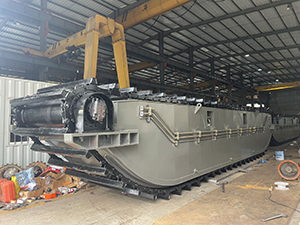
Amphibious excavator chassis production workshop

We have reorganized and redefined the production workshop.

On the one hand, we separated the original business area and focused on the production of amphibious excavator chassis.

On the other hand, we can ensure the safety of production lines and storage.

We can provide a complete design and manufacturing solution for offshore photovoltaic piles, allowing customers to have a simple and fast purchasing experience.

Long Reach Arm of Excavator Expanding Possibilities in Construction

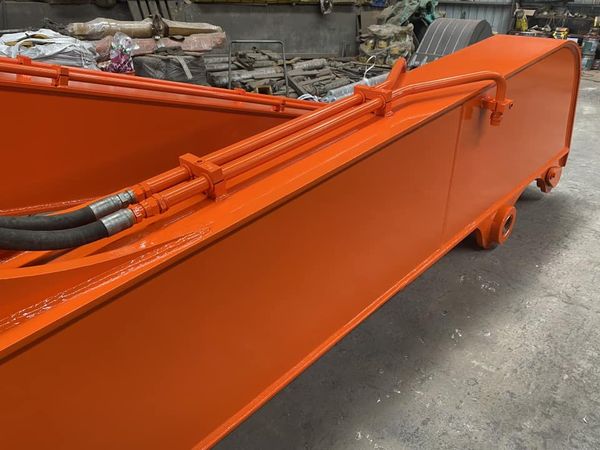
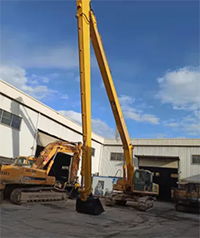
The long reach arm of an excavator is a specialized attachment that extends the reach and digging capabilities of the machine. With its extended reach, this attachment has revolutionized construction operations, enabling work in challenging environments and increasing efficiency. In this article, we will explore the numerous benefits and applications of the excavator long reach arm in construction projects.


excavator long reach arm

Enhanced Reach and Productivity:
The primary advantage of the excavator long reach arm is its extended reach, allowing the excavator to access areas that are further away or difficult to reach with a standard arm. This increased reach significantly enhances productivity by minimizing the need for machine repositioning and reducing downtime. The excavator long reach armenables efficient excavation, demolition, dredging, and maintenance tasks in a variety of applications, including riverine projects, deep foundations, and coastal engineering.

Tackling Complex Terrain:
Construction projects often face obstacles such as deep trenches, high walls, or restricted access areas. The long reach arm enables excavators to overcome these challenges by providing an extended range of motion. It allows operators to easily dig, lift, and place materials, even in hard-to-reach locations, ensuring the project progresses smoothly and on schedule.

Demolition and Clearing:
Demolition and land clearing activities require precision and efficiency. The excavator long reach arm enables controlled and targeted demolition, minimizing damage to surrounding structures or protected areas. It also assists in clearing debris from sites efficiently, promoting safe and timely project completion.

Environmental Preservation:
The long reach arm helps protect the environment during construction activities. With its increased reach, operators can work from a safe distance, minimizing disturbance to sensitive ecosystems and wildlife habitats. This capability is particularly valuable in projects involving water bodies, wetlands, and protected areas.

Versatility and Adaptability:
The long reach arm attachment is available in various lengths, allowing for customization based on the specific requirements of each project. Excavators equipped with long reach arms can be tailored to reach depths ranging from a few meters to over 30 meters, ensuring flexibility and adaptability in a wide range of construction applications.

Cost Savings:
By reducing the need for additional equipment and minimizing the time spent repositioning the excavator, the long reach arm contributes to significant cost savings in construction projects. It increases efficiency, reduces labor requirements, and enhances overall project planning and execution.

Specialized Applications:
The long reach arm finds application in diverse construction projects, including canal and river maintenance, shoreline stabilization, deep excavation, and dredging. Its versatility enables it to tackle various materials such as soil, rock, and sediment, making it an essential tool for civil engineering, foundation construction, and infrastructure development.

Technological Advancements:
With advancements in hydraulic systems and control technology, the long reach arm has become more precise and efficient. Operators have improved control over the attachment, allowing for delicate operations like precision digging, grading, and material handling.

Safety Considerations:
When working with the long reach arm, it's crucial to follow proper safety protocols and provide adequate training to operators. Working with an extended reach requires additional caution and attention to maintain stability and prevent accidents or damages.

Future Prospects:
As construction demands continue to evolve, the long reach arm of excavators will play an increasingly vital role in meeting specialized requirements. Manufacturers are continually improving the technology, exploring new materials, and optimizing designs to enhance performance and efficiency.


The long reach arm of an excavator is a game-changer in the construction industry, offering expanded capabilities and versatility. With its extended reach, the long reach arm enables efficient excavation, demolition, and maintenance tasks in various applications. As technology advances, we can expect further refinements in design and control systems, opening up new possibilities for construction projects worldwide.


Pontoon and Amphibious Excavator Enhancing Efficiency in Water-based Construction

Water-based construction projects require specialized equipment that can operate effectively in aquatic environments. Pontoon platforms and amphibious excavators have emerged as innovative solutions to overcome the challenges faced in such projects. This article explores the capabilities and advantages of these machines in revolutionizing water-based construction operations.

Amphibious Excavator Floating Pontoon Platforms: Versatile Docking Solutions:
Amphibious excavator floating pontoon platforms provide stable and versatile docking solutions for water-based construction projects. These floating structures can support heavy machinery, equipment, and personnel, enabling efficient operations in water bodies. With modular designs and customizable configurations, pontoons offer flexibility to adapt to different project requirements, making them indispensable for activities like bridge construction, dredging, and marine infrastructure development.

Amphibious Excavators: Seamless Transition between Land and Water:
Amphibious excavators are specifically designed to operate seamlessly in both land and water environments. These machines feature specialized tracks or pontoons that enable them to navigate through wetlands, marshes, and shallow waters. The ability to transition between land and water with ease makes amphibious excavators the ideal choice for applications such as wetland restoration, shoreline construction, and beach nourishment projects.

Advantages of Amphibious excavator floating pontoon and Amphibious Excavator Technology:
a) Efficiency and Productivity: Pontoon platforms and amphibious excavators improve project efficiency by eliminating the need for additional equipment and reducing transportation time between land and water work areas.
b) Accessibility: These machines provide access to remote or inaccessible areas, enabling construction projects at locations that were previously challenging or costly to reach.
c) Environmental Considerations: Pontoon platforms and amphibious excavators minimize environmental impact by reducing ground disturbance and enabling construction activities in sensitive ecosystems without harming natural habitats.
d) Safety: Both machines offer enhanced safety features, including stability in varying water conditions and improved operator visibility, ensuring a secure working environment.

Real-world Applications:
Amphibious excavator floating pontoon platforms and amphibious excavators have demonstrated their effectiveness in numerous water-based construction projects worldwide. Examples include the construction of bridges over water bodies, land reclamation for infrastructure development, environmental restoration projects in wetlands, and maintenance of waterways. These technologies have proven to be efficient, cost-effective, and environmentally conscious solutions for challenging construction activities.

Continuous Innovations:
Manufacturers are investing in research and development to further enhance the capabilities of pontoon platforms and amphibious excavators. Advancements in materials, propulsion systems, and control technologies continue to improve their performance and adaptability. Customization options are also available, allowing these machines to be tailored to specific project requirements, maximizing productivity and efficiency.

Conclusion:
Amphibious excavator floating pontoon platforms and amphibious excavators have revolutionized water-based construction projects by offering efficient alternatives to traditional equipment. The versatility, accessibility, and environmental advantages provided by these machines have made them essential in the construction industry. As technology evolves, we can expect further innovations, making pontoon platforms and amphibious excavators even more versatile and sustainable for future water-based construction endeavors

 Amphibious excavator floating pontoon