You want flawless results in your saloon car spray booth. Achieving a perfect finish starts with a clean, controlled environment in your car paint booth. Dust, uneven airflow, and overspray can ruin your work if you do not address them early. You rely on your saloon car spray booth to deliver consistent quality, but even the best car paint booth can face challenges. Advanced technology in a modern saloon car spray booth helps you prevent common problems. Choosing a reliable car paint booth ensures you meet high standards every time you paint in your saloon car spray booth or any car paint booth.
Key Takeaways
- Maintain a clean spray booth by sweeping daily and inspecting filters regularly. This prevents contaminants from ruining your paint jobs.
- Control temperature and humidity between 72°F-75°F and 40%-60% respectively. This ensures even drying and reduces defects in your paint finish.
- Use downdraft airflow systems to remove contaminants quickly. This improves paint quality and reduces the need for rework.
- Regularly check and replace filters to maintain proper airflow. Clogged filters can lead to poor paint quality and health risks.
- Invest in high-quality lighting with a high CRI to spot imperfections early. Good lighting helps you achieve flawless finishes.
Preventing Contaminants in the Finish

Common Sources of Contaminants
You face many challenges when trying to prevent contaminants in the finish. Dust, dirt, and airborne particles can enter your spray booth from shoes, clothing, or even the air supply. The type of paint, booth design, and management practices also play a role in how easily contaminants reach your work. If you want to control dust in a paint booth, you need to focus on every detail, from the materials you use to the way you move inside the booth. Clean air is your best defense against paint booth issues that can ruin a flawless finish.
Booth Cleaning and Maintenance
You can keep your spray booth in top condition by following a regular cleaning and maintenance routine. Industry experts recommend these steps:
Daily Tasks:
- Sweep floors to remove dust and debris.
- Inspect air filters for blockages and replace as needed.
Weekly Tasks:
Clean walls and floors using non-sparking scrapers and solvent-based cleaners.
Inspect and clean lighting fixtures to ensure visibility.
Monthly Tasks:
- Inspect fans and exhaust systems for wear and tear.
- Check seals around doors and windows to prevent contamination.
Regular maintenance of your spray booth ensures consistent paint finishes and extends the life of your equipment. You also help maintain compliance with safety standards and reduce the risk of costly rework. Proper cleaning keeps overspray from building up and supports a safe, clean air environment.
Early Detection Tips
You can spot contaminants before they affect your paint job by using simple monitoring methods. The table below shows effective ways to detect problems early:
|
Monitoring Method |
Purpose |
|---|---|
|
Volatile Organic Compounds |
Measure VOC levels to ensure they do not exceed harmful thresholds. |
|
Particulate Matter |
Assess PM levels to prevent health risks and maintain paint finish quality. |
|
Other Gases |
Monitor gases like carbon monoxide to ensure safety during operations. |
Early detection gives you time to apply solutions before contaminants in the finish become a problem. Clean air and regular checks help you deliver the best results every time.
Airflow in a Saloon Car Spray Booth
Downdraft Airflow Benefits
You need optimal airflow to achieve a flawless finish in your saloon car spray booth. Downdraft airflow systems pull air from the ceiling and direct it straight down to the floor. This design helps remove contaminants and overspray quickly. You protect your workers from harmful particles and reduce operational costs with energy-efficient systems. Downdraft airflow also improves your product finish by managing air movement and removing contaminants before they settle on wet paint. You see fewer defects and spend less time on rework. Consistent airflow keeps your paint application even and prevents contamination between jobs.
Tip: Advanced booths, such as those from GZ GUANGLI, offer customizable downdraft airflow systems. You can tailor the setup to fit your shop’s needs and maintain high-quality results.
|
Issue |
Description |
|---|---|
|
Unbalanced Airflow |
Causes downdraft to collapse on one side, pulling air sideways, leading to paint defects. |
|
Waterborne Paint Problems |
Airflow drags wet basecoat, causing inconsistent blending and unpredictable results. |
|
Clear Coat Issues |
Overspray hangs and dries mid-air, resulting in rough texture and dull gloss on the finish. |
Adjusting Ventilation
You must adjust your ventilation system to maintain consistent airflow and avoid poor airflow problems. Start by choosing the right filters for both intake and exhaust. High-quality filters capture airborne particles and overspray. Monitor air velocity and adjust the paint booth fan speed to keep airflow balanced. Clean filters and ducts regularly to prevent blockages. Advanced filtration systems and automated controls can improve air quality further. Check booth doors and panels for leaks to maintain proper sealing. Monitor humidity and temperature to optimize booth performance. Schedule monthly inspections and annual servicing to keep your system efficient.
Troubleshooting Airflow Issues
You may encounter poor airflow if you neglect regular maintenance or if your paint booth fan does not operate at the correct speed. Keep booth doors closed to prevent dust from entering. Clean and change filters often to maintain airflow. Blow out the booth after each job to remove contaminants. Clean booth components regularly and consider using floor coatings to manage overspray. These steps help you avoid common airflow issues and ensure a smooth painting process.
Temperature and Humidity Control
Effects on Paint Application
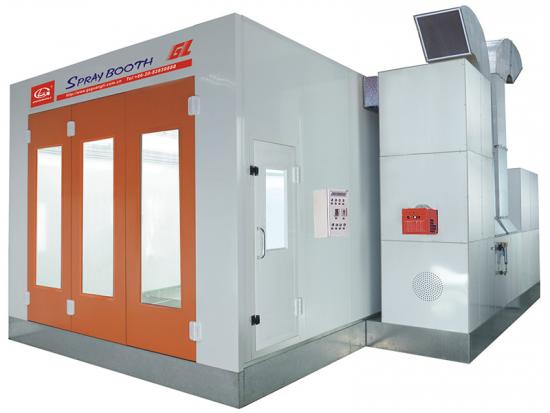
You must control temperature and humidity to achieve a flawless paint finish in your spray booth. When humidity rises, solvent evaporation slows down. This leads to longer drying times and can cause moisture-related problems in your work. Low humidity speeds up drying, which often results in imperfections on the paint finish. Temperature fluctuations also affect how paint adheres to the surface. High temperatures can cause uneven drying, while low temperatures slow the process and may leave the surface tacky. You need to keep humidity between 40% and 60% to ensure consistent drying and prevent moisture from interfering with your results.
Tip: Stable temperature and humidity help you avoid costly rework and maintain a professional standard in every job.
Setting Ideal Conditions
You can achieve the best results by maintaining the right environment inside your spray booth. The table below shows the recommended ranges for temperature and humidity during paint application:
|
Temperature Range |
Humidity Range |
|---|---|
|
72°F - 75°F |
50 ± 10% |
You should monitor these levels before and during each job. Consistent conditions help you produce a smooth, even paint finish and reduce the risk of defects. Advanced booths, like those from GZ GUANGLI, often include built-in sensors and controls to help you maintain these ideal settings.
Managing Fluctuations
You can manage temperature fluctuations and humidity changes with the right technology. Use humidifiers such as evaporative, high-pressure spray, hybrid, or steam types to control moisture levels. Place sensors throughout your booth to track temperature and humidity in real time. Calibrate these sensors regularly for accurate readings. Advanced monitoring systems provide alerts and historical data, so you can spot trends and make adjustments quickly. By keeping temperature fluctuations under control, you protect your paint finish and improve energy efficiency in your shop.
Overspray Issues and Solutions
Causes of Overspray
You often face overspray issues when paint particles travel beyond the intended area during spray painting. Several factors contribute to excessive overspray in your spray booth:
- Airflow patterns in the booth direct overspray away from the workpiece, but poor airflow can lead to uneven paint coverage.
- Multi-stage filtration systems help capture paint particles, but clogged filters can cause overspray collecting on surfaces.
- Using low-quality spray guns or improper techniques increases the risk of excessive overspray.
- Uncontrolled air pressure inside the booth can move paint particles unpredictably, leading to paint booth issues.
- Understanding these causes helps you identify the right solutions for your shop.
Minimizing Overspray
You can reduce overspray issues by following proven techniques. The table below outlines effective methods for minimizing overspray and improving your results:
|
Technique |
Description |
|---|---|
|
Use Overlap Correctly |
Apply a 50% overlap technique for even coverage and less waste. |
|
Practice Steady Movement |
Move the spray gun smoothly to avoid pooling and uneven paint coverage. |
|
Implement Regular Equipment Maintenance |
Clean and inspect equipment to prevent overspray collecting on surfaces. |
|
Use High-Quality, Low-Waste Spray Equipment |
Advanced spray guns, such as HVLP, offer better control and reduce excessive overspray. |
|
Recycle Leftover Paint When Possible |
Store and reuse excess paint for small jobs to limit overspray collecting and promote sustainability. |
|
Monitor and Track Paint Usage |
Keep records to spot inefficiencies and improve future planning. |
|
Consider Automated Paint Systems |
Automation ensures consistent application and reduces human error. |
Tip: Training your team on these techniques and using advanced spray booths can help you achieve a cleaner, more efficient workspace.
Cleaning Overspray
You need to address overspray collecting on booth surfaces and equipment to maintain a safe and efficient environment. Follow these steps for effective cleaning:
-
Use the right cleaning solutions for different types of overspray. This protects your booth and reduces downtime.
-
Maintain a regular cleaning schedule to prevent excessive overspray buildup.
-
Remove overspray using peelable coatings or by cleaning surfaces after each job.
-
Implement a preventive maintenance program to keep equipment in top condition.
Investing in a downdraft booth improves airflow and reduces overspray collecting on surfaces. Training technicians on proper application methods also helps prevent excessive overspray. Maintaining a clean booth ensures high-quality finishes and reduces the risk of costly rework.
Filter Maintenance in a Car Paint Booth
Types of Filters
You rely on different types of paint booth filters to keep your spray booth clean and efficient. Each filter serves a unique purpose and offers specific filtration efficiency. The table below highlights the most common filters you will find in automotive spray booths:
|
Filter Type |
Filtration Efficiency |
|---|---|
|
HEPA filters |
Exceeds 99.97% at 0.3 microns |
|
Activated carbon filters |
Targets VOCs and odors, efficiency varies by use |
HEPA filters capture fine particles, which helps you achieve a flawless paint finish. Activated carbon filters focus on removing odors and volatile organic compounds, making your workspace safer and more comfortable.
Signs of Clogging
You need to recognize the warning signs of filter clogging to maintain booth performance. Clogged filters can lead to poor airflow, contamination, and even health risks. The table below lists common signs that indicate your filters need attention:
|
Sign of Clogging |
Description |
|---|---|
|
Rapid buildup of dry paint |
Airflow cannot capture overspray effectively. |
|
Persistent paint odors |
Strong smells linger after spraying due to poor air exchange. |
|
Visible wear or damage to filter |
Heavily coated or damaged filters require immediate replacement. |
|
Reduced airflow |
Indicates the need for inspection or replacement. |
|
Dust in the paint finish |
Shows that filters are not working properly, causing contamination. |
|
Increased odors inside the booth |
Ventilation system is not cycling air efficiently due to clogged filters. |
Tip: Check your filters regularly. Early detection of filter clogging helps you prevent costly rework and maintain a safe environment.
Replacement Schedule
You should follow a consistent replacement schedule to keep your spray booth running smoothly. The table below outlines recommended intervals for different booth types and filters:
|
Booth Type |
Filter Type |
Replacement Schedule |
|---|---|---|
|
Crossdraft Booth |
Intake Filters |
Every 2-4 months or 200-250 hours |
|
|
Exhaust Filters |
When manometer shows pressure drop (80-120 hours) |
|
Downdraft Booth |
Intake Pre-filters (AMU) |
Every 1-3 months |
|
|
Ceiling Intake/Diffusion Filters |
Every 6-12 months or 1000-1500 hours |
|
|
Exhaust Filters |
When manometer reaches set point (100-150 hours) |
|
Side Downdraft Booth |
Intake Pre-filters (AMU) |
Every 1-3 months |
|
|
Ceiling Intake Filters |
Every 6-12 months |
|
|
Exhaust Filters |
Monitor with manometer (100-150 hours) |
|
Specialty/Industrial Booths |
Powder Coating Booths |
Replace when pressure drop cannot recover after cleaning |
|
|
High-Production Booths |
Weekly or daily, depending on coating and volume |
You can extend the life of your equipment and improve paint quality by following these schedules. Always monitor filter condition and replace them as soon as you notice any signs of reduced performance.
Lighting and Visibility
Impact on Paint Quality
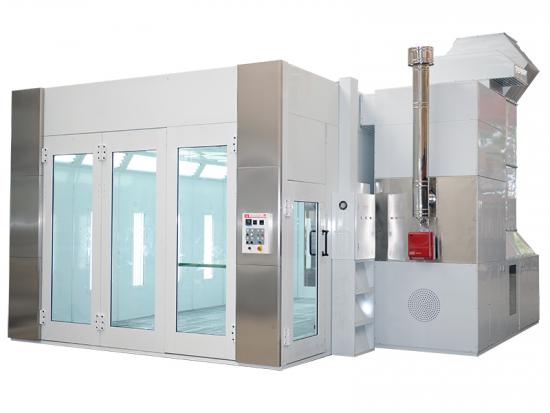
You depend on proper lighting to achieve a flawless paint finish in your saloon car spray booth. Lighting quality affects how you see colors, spot imperfections, and maintain accuracy during painting. If you work with inadequate lighting, you risk missing defects and making costly mistakes. High CRI (Color Rendering Index) lighting lets you see true colors and identify flaws quickly. Uniform light distribution prevents shadows, so you do not overlook areas that need attention. Glare control reduces eye strain and helps you stay focused for longer periods.
|
Metric |
Description |
|---|---|
|
High CRI |
Essential for true color visibility and defect detection. |
|
Illuminance (Lux Levels) |
Recommended levels between 750-1500 lux for painting; higher for inspection to detect imperfections. |
|
Uniformity of Lighting |
Ensures even light distribution to avoid shadows and missed defects. |
|
Glare Control |
Reduces eye strain and enhances visual comfort for sustained accuracy. |
Upgrading Booth Lighting
You can improve visibility and paint quality by upgrading your booth lighting. LED lighting offers high CRI, energy efficiency, and low heat output, making it ideal for spray booths. Fluorescent lighting is common but does not match LEDs in color rendering or longevity. Metal halide lighting provides high-intensity output but generates more heat and uses more energy. Adequate lighting helps you see what you are painting, which prevents rework and saves time. Good lighting in the paint mix room lets you identify color shifts and match colors accurately. Proper lighting in the detail area enhances your shop’s presentation and allows for better inspection of repair work.
- LED lighting improves color accuracy and reduces energy costs.
- Fluorescent lighting is less effective for color matching.
- Metal halide lighting increases heat and energy consumption.
Tip: Upgrade your lighting system to LEDs for better visibility and lower maintenance.
Spotting Flaws Early
You spot flaws early when you use the right lighting in your spray booth. High CRI and uniform lighting help you detect imperfections before they become bigger problems. You can inspect painted surfaces under higher lux levels to reveal defects that normal lighting might hide. Regularly check your lighting for consistency and replace bulbs as needed. You improve your workflow and reduce the risk of costly rework by catching flaws early. Good lighting lets you deliver high-quality finishes every time.
Reducing Noise and Distractions
Noise Impact on Work
You may not realize how much noise affects your performance in a spray booth. High noise levels can make it hard for you to concentrate. When you work in a loud environment, you feel tired more quickly. This fatigue can lead to mistakes, such as uneven paint application or overspray. These errors lower the quality of your paint jobs. Noise also makes it difficult for you to communicate with your team. Misunderstandings can happen, which increases safety risks and slows down your workflow.
- Excessive noise leads to worker fatigue and reduced concentration.
- Distractions from noise can cause mistakes in paint application.
- High noise levels make communication harder and increase safety hazards.
Noise Reduction Tips
You can take several steps to reduce noise in your spray booth. Start by maintaining your equipment. Clean fan blades often to prevent buildup that causes extra strain and noise. Lubricate pulleys to keep them running smoothly and quietly. Choose less restrictive filter pads to help maintain proper airflow and reduce noise from the ventilation system. If possible, mount the fan on the roof to lower the noise inside the booth. You can also install a silencer in the ductwork to minimize fan noise. Adding duct liner in the plenum helps absorb sound and creates a quieter workspace.
- Clean and maintain fan blades regularly.
- Lubricate pulleys to reduce mechanical noise.
- Use less restrictive filter pads for better airflow and less noise.
- Mount fans on the roof to lower booth noise.
- Install silencers in ductwork.
- Add duct liner in the plenum to absorb sound.
Maintaining Focus
You need to stay focused to achieve the best results in your spray booth. Using noise-dampening materials can make your environment more comfortable and help you concentrate. Quieter ventilation systems also support better focus. When you reduce distractions, you work more efficiently and produce higher-quality finishes. A calm and quiet booth helps you notice details and avoid costly mistakes.
Tip: Invest in noise control solutions to create a more productive and safer workspace.
Diagnosing Paint Booth Problems
Quick Diagnostic Checklist
You can spot paint booth problems early by using a simple diagnostic checklist. This approach helps you catch issues before they affect your work. Review these items regularly to keep your saloon car spray booth running smoothly:
-
Over spray collecting on items near your facility signals a need to check paint booth filters. Change them often and consider higher efficiency options. Evaluate the height of your exhaust duct for better control.
-
Neighbors complaining about odor means you should inspect fan operation. Upgrading filters and checking the exhaust stack height can help reduce smells.
-
If your booth stays dirty all the time, use environmental controls and maintain positive pressure inside the booth.
-
Excessive noise in your paint booth points to fan maintenance needs. Relocating the fan may lower noise levels.
-
Air make up problems require you to verify power and gas supply. Reset the control panel if necessary.
Tip: Using this checklist helps you prevent paint booth issues and maintain a safe, efficient workspace.
Troubleshooting Steps
You can resolve common paint booth problems by following clear troubleshooting steps. The table below shows practical solutions for frequent issues in automotive workshops:
|
Problem |
Solutions |
|---|---|
|
Inadequate Lighting |
Install high-quality lighting and replace bulbs or fixtures promptly. |
|
Temperature Fluctuations |
Inspect climate control systems regularly. Insulate and seal the booth for stable conditions. |
|
Electrical or Mechanical Failures |
Inspect components often. Use qualified professionals for electrical work. |
|
Poor Airflow |
Check paint booth filters and clean exhaust and intake systems. Adjust fan settings as needed. |
|
Contaminants in the Finish |
Clean the booth often. Replace filters as recommended. Seal the booth properly. |
|
Uneven or Poor Paint Coverage |
Adjust spray gun settings. Control temperature and humidity. |
|
Overspray Issues |
Calibrate spray gun. Optimize airflow. Use curtains or screens to contain overspray. |
|
Filter Clogging |
Replace filters regularly. Monitor for signs of wear or blockage. |
If you face persistent paint booth problems, consider seeking professional support. Advanced booths with customizable features can help you solve complex issues and improve your results.
When to Seek Professional Support
Issues Beyond DIY Fixes
You may handle many paint booth problems on your own, but some issues require professional support. Watch for these signs that your spray booth needs expert attention:
- Excessive paint overspray accumulation on surfaces or equipment. This often means your airflow system cannot capture overspray effectively.
- Persistent paint odors that linger after each job. Strong smells suggest poor air exchange, often caused by clogged or failing filters.
- Visible wear or damage to filters. Heavily coated or damaged filters signal that immediate replacement is necessary.
If you notice any of these problems, you should not delay. Trying to fix these issues yourself can lead to bigger problems and lower-quality finishes. Professional technicians have the tools and experience to restore your booth to peak performance. They can also help you avoid costly downtime and ensure your workspace stays safe.
Note: Advanced solutions, such as those from GZ GUANGLI, offer customizable features and expert support for complex or recurring issues.
Choosing a Service Provider
Selecting the right service for your spray booth makes a big difference in your results. Look for a provider with a strong track record in the automotive industry. You want a team that understands the unique needs of a saloon car spray booth and can offer tailored solutions.
Consider these factors when choosing a paint booth service:
|
Criteria |
What to Look For |
|---|---|
|
Experience |
Years of service and expertise in spray booth repair |
|
Response Time |
Fast and reliable emergency service |
|
Customization Options |
Ability to adapt solutions to your specific needs |
|
Support Services |
Ongoing maintenance, filter replacement, and upgrades |
|
Reputation |
Positive reviews and recommendations |
You should also ask about warranty coverage and after-sales support. A trusted provider, like GZ GUANGLI, can help you upgrade your booth, maintain compliance, and keep your operations running smoothly. When you invest in professional paint booth service, you protect your equipment and ensure the best possible finish for every job.
You can achieve flawless results in your saloon car spray booth by following a few essential tips:
- Keep your booth clean and prep surfaces before every job.
- Check ventilation and exhaust systems to remove contaminants.
- Maintain and replace filters regularly for proper airflow.
- Inspect your air compressor and calibrate temperature controls.
- Insulate and seal your booth to keep conditions stable.
Stay proactive with maintenance and early detection. Upgrade your booth or seek expert help when you face complex issues. Consistent care leads to professional finishes every time.
FAQ
How often should you clean your spray booth?
You should clean your spray booth daily. Sweep the floor, wipe surfaces, and check for dust. Regular cleaning prevents contaminants from ruining your paint jobs.
What is the ideal temperature for painting in a spray booth?
Aim for a temperature between 72°F and 75°F. This range helps paint dry evenly and reduces the risk of defects.
Why does your paint finish have dust or particles?
Dust often enters from shoes, clothing, or the air supply. You can reduce this by wearing clean coveralls and using proper air filtration.
How do you know when to replace paint booth filters?
Check for reduced airflow, strong odors, or visible dust on surfaces. Replace filters when you notice these signs or follow the manufacturer’s schedule.
Can you use water-based paints in your spray booth?
Yes, you can use water-based paints. Modern booths, like those from GZ GUANGLI, support water-based systems and help you meet environmental standards.