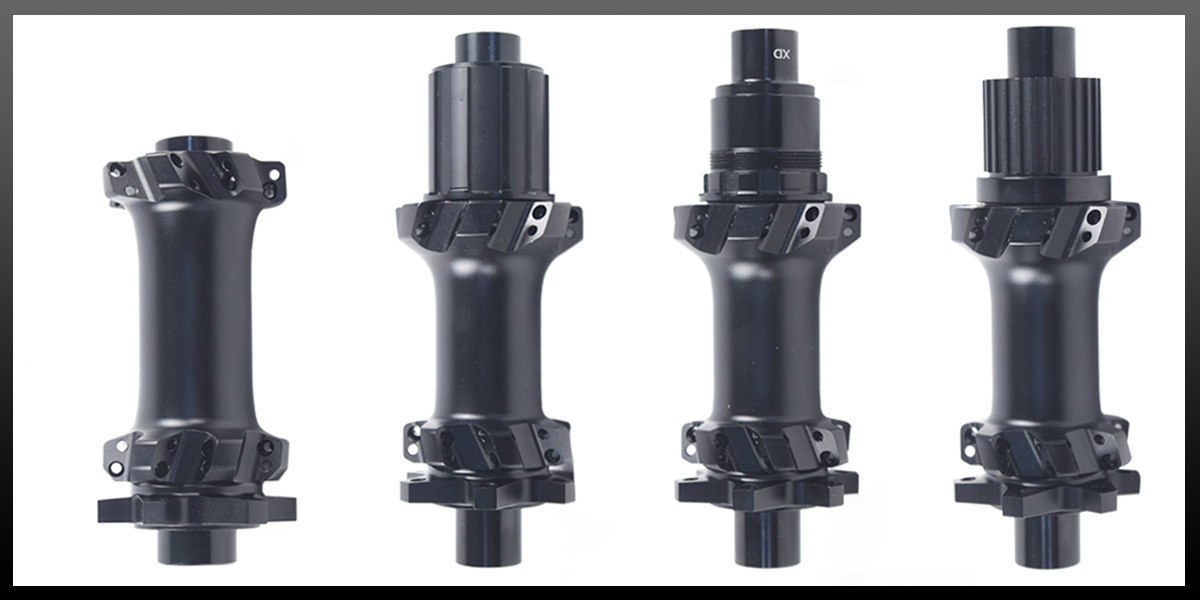
When you think about a fast, reliable bike, the frame, wheels, or drivetrain may come to mind—but the unsung hero is the hub. This central wheel component quietly dictates power efficiency and durability, making it essential for all riders. In this guide, we’ll break down hub basics, explain why quality matters, and how a high-quality hub can elevate your ride.
What Is a Bike Hub, Exactly?
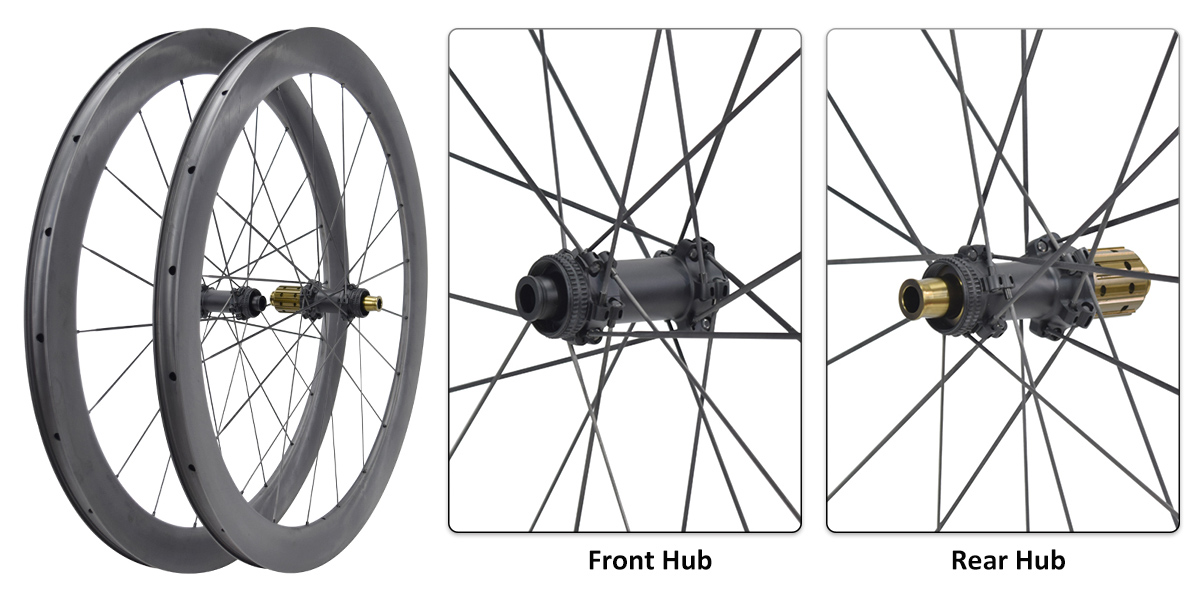
A bike hub connects the wheel rim to the frame via the axle and houses bearings for smooth, low-friction rotation. There are three main types, each tailored to different riding needs:
- Front Hubs: Simple, holding the front wheel in place—their bearing quality still impacts ride feel and durability.
- Rear Hubs: Workhorses that integrate with the drivetrain to transfer pedal power, with freehubs for coasting.
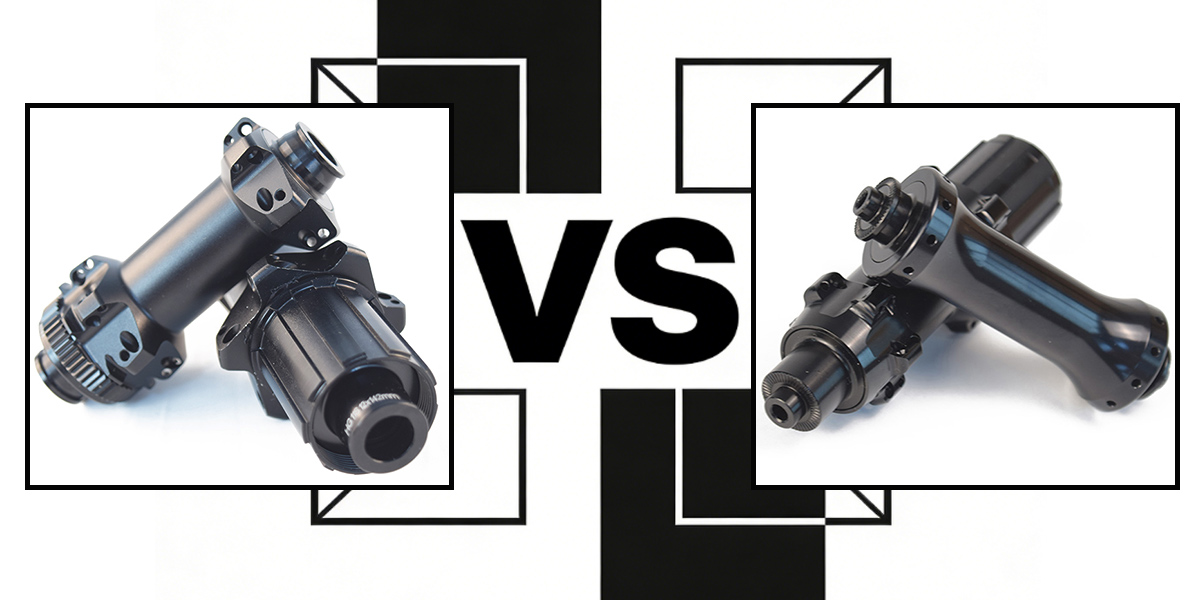
- Through-Axle VS Quick-Release: Through-axle hubs offer more stiffness (ideal for MTBs/high-end road bikes), while QR hubs are lighter and easier to remove for casual use.How Hub Quality Affects Ride Speed
- Sealed bearings (tube or sealed ball bearings)
- Durable materials (aluminum/titanium/carbon fiber, hardened ratchet seat)
- Rigid construction (especially the rear hub)
- Compatibility with your frame/drivetrain
In conclusion: Don't overlook the hub
High-quality hubs reduce friction, improve power transmission efficiency, and enhance wear resistance—crucial for faster, farther rides. Investing in high-quality hubs is one of the best upgrades you can make to your bike.
Next time you upgrade your bike, don't overlook the hub—it's the unsung hero that makes every ride smoother and more reliable.
Explore our premium hubs designed for speed, durability, and performance. We offer a selection of hubs for road bikes, mountain bikes, and commuter bikes. Contact us for personalized advice or browse our products today.