You pick long-lasting concrete pump parts by matching the material, wall thickness, and fit to your pump and mix design. This guide looks at two parts that wear out fast: the degree concrete pipe elbow and the Schwing boom elbow. You will learn how to judge them before you buy.
cntopivot supplies wear-resistant Concrete Pump Parts. The same picking logic works whether you buy OEM or aftermarket. Here are clear rules you can use right away to cut downtime and replacement costs.
|
Elbow pipe technology |
Annual maintenance budget (% of operating costs) |
Replacement interval (pumping hours) |
|---|---|---|
|
Single-layer high-manganese steel |
15–25% |
200–400 |
|
Dual-layer high-chromium composite |
5–10% |
1,500–2,400+ |
Key Takeaways
-
Pick parts that fit your exact pump model, mix design, and line route. This easy habit cuts downtime and replacement costs.
-
Dual-layer composite elbows last far longer than single-layer steel ones. They cut yearly maintenance costs from 25 percent down to 5 percent.
-
Check OEM and aftermarket parts by liner hardness, shell strength, and flange fit. Compare warranties and measure bolt patterns before ordering.
-
Check elbows often with a thickness gauge. Replace parts after 70 percent inner sleeve wear. Swap parts during planned downtime.
-
Turn elbows end for end and keep track of pumping hours. This spreads out wear and makes them last longer.
Durability Factors for Concrete Pump Parts
Material and Wear Resistance
Pump parts get broken by two forces: impact from aggregate and sliding abrasion from the mix. A single-layer wall cannot handle both. Twin-wall or dual-layer composite elbows solve this problem. The outer layer gives structural strength. The inner wear-resistant layer guards against the abrasive concrete flow. This design separates the job into two roles. Each layer does best at its own task. The inner chromium-alloy layer absorbs the constant scraping from aggregate. The outer shell keeps the elbow rigid under high pressure.
The numbers show the payoff. A single-layer high-manganese steel elbow lasts about 200-400 pumping hours. A dual-layer high-chromium composite elbow reaches 1,500-2,400+ hours. Annual maintenance costs drop from 15-25 percent of operating costs to 5-10 percent. That difference changes your total cost of ownership.
You should also look for CCI-lined and hardened cast steel parts. These materials resist wear much better than standard steel. For example, back end kits for Schwing concrete pump trucks have improved durability. They handle the harshest wear points in the delivery system.
Design, Fit, and Compatibility
Material alone will not save you. A part must fit your specific pump system. Match the elbows, couplings, valves, reducers, and brackets with the correct end styles. This creates a reliable, durable system. Wrong end styles cause leaks, vibration, and early wear. Even a premium elbow will fail quickly if its flange does not seat properly.
Start with your exact pump model and boom setup. A Degree Concrete Pipe Elbow comes in different angles and radius sizes. A Schwing Boom Elbow fits a specific boom segment. Suppliers like cntopivot offer both OEM and aftermarket choices. You compare them by checking the end styles, wall thickness, and material grade.
One simple rule guides every choice: the part must match the job. A heavy-duty elbow in the wrong position still fails. Look at the wear pattern on your current parts. Then order replacements with the same shape or an upgraded material. This approach cuts downtime and keeps your Concrete Pump Parts working longer.
Choosing a Degree Concrete Pipe Elbow
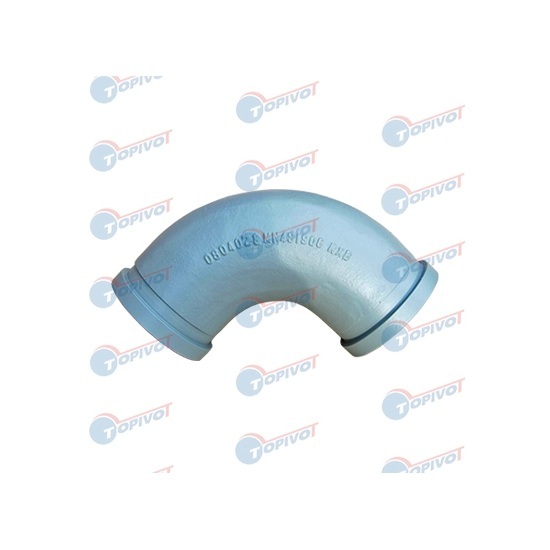
Matching Angle and Radius
The angle and radius of your elbow decide how concrete flows and where it wears down. A 90-degree twin-wall elbow with a 180 mm radius is a common setup. It is built to handle high wear in concrete pump jobs. This shape balances the change in flow direction with a fair wear pattern.
Suppliers sell elbows in 90°, 45°, 30°, and 15° angles. A 150R400*90° elbow, for instance, uses a DN150 bore with a 400 mm bend radius. Having many angles lets your line follow tunnel shapes and tight paths with fewer joints. Sticking to a small set of angles keeps spare elbows interchangeable across machines and sites.
Reducer pipes matter too. A 150-125 L=1200 reducer joins DN150 to DN125 over a 1,200 mm length. These reducers link different bore sizes. That way your pump outlet, boom section, and placing line work as one system. Bridge and infrastructure jobs that move large volumes over long distances depend on large-diameter lines with reducers.
Bend radius directly controls the rate of abrasive wear and pressure loss. A longer sweep makes the concrete stream hit the outer wall at a shallower angle. This spreads wear over a longer arc instead of focusing it on a narrow band. A tight turn does the opposite. Swapping one radius for another, like R180 versus R400, can cause very different wear and pressure behavior in a high-volume run.
Match the radius to the part next to it and to the route, not to a general preference. When space forces a tight turn, treat that elbow as a wear item to watch and check it on a set schedule.
Wall Thickness and Material Grade
Wall thickness and material grade decide how long your Degree Concrete Pipe Elbow lasts and what it costs per cubic yard pumped. A thicker wall adds structural margin. A harder inner liner resists abrasion.
Dual-layer composite elbows use an outer shell of Q235 or Q345 steel for ductility and pressure resistance. The inner liner is high chromium cast iron with a Cr₇C₃ carbide microstructure. This liner gives up to 5 times longer service life than ordinary steel and 3 to 5 times longer than conventional alloy steel. High-chromium white iron liners hold 15–28% Cr and 2–4% C with a hardness of HRC 58–63. You use these at the highest-wear spots: the first vertical riser, all 90° bends, and the discharge elbow.
Ni-Hard cast iron liners offer HRC 55–60 hardness with 4–5% Ni and 1.5–2.5% Cr. They fit middle positions that need abrasion resistance plus impact toughness, such as articulation joints and mid-length sections. Ceramic-lined elbows use high-grade alumina ceramics formed above 2,200 °C for superior wear resistance.
Cost per cubic yard ties right to these choices. A premium liner costs more upfront. It also lasts many times longer, so your cost per cubic yard pumped goes down. cntopivot supplies these wear-resistant Concrete Pump Parts in multiple grades. You pick the grade that fits your mix design and job demands. A hard, abrasive mix with sharp aggregate needs a harder liner. A smoother mix may not need the top grade. This math, not the sticker price alone, drives your total cost of ownership.
Selecting a Schwing Boom Elbow
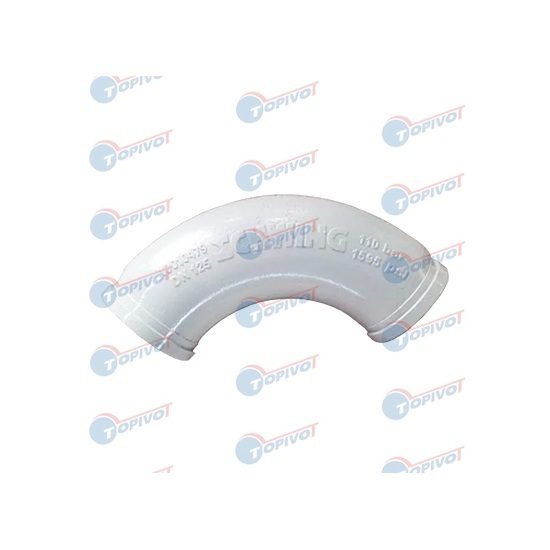
The Schwing boom elbow takes the hardest hit in your boom system. It redirects concrete at high pressure through a tight space. You need to know how to compare your options and spot wear before failure. This section walks you through the two decisions you face: choosing between OEM and aftermarket parts, then reading the signs that tell you when to replace the elbow.
OEM vs Aftermarket
You can buy a Schwing boom elbow from the original manufacturer or from an aftermarket supplier. cntopivot and other suppliers offer both choices. A fair comparison starts with three factors: material, wall thickness, and end style. Many aftermarket elbows use hardened cast steel or CCI-lined assemblies. These materials can extend the service life of your pump boom and reduce downtime. The same selection logic that applies to a Degree Concrete Pipe Elbow applies here.
Boom pipe systems include pipes, elbows, and accessories. You need these parts to re-boom or replace worn components. Suppliers design these systems to fit all major pump manufacturers, not just one brand. Look past the brand name when you compare OEM and aftermarket. Compare the liner hardness, the outer shell strength, and the flange fit. A well-made aftermarket part often costs less upfront and matches OEM performance. A poorly made part fails fast, no matter the price.
Check the warranty terms. A supplier that stands behind its Concrete Pump Parts for a set number of pumping hours gives you a clear quality signal. Also confirm the part matches your specific boom segment. An elbow built for one boom length will not automatically fit another. Measure the bolt pattern and pipe diameter before ordering.
Reading Wear Indicators
You cannot see the inner wall of a Schwing boom elbow directly. You can still read wear through several indicators. The first sign appears on the outer shell. A flat spot or a slight bulge on the outside of the bend means the inner liner has worn thin. The concrete has started grinding against the steel shell. The elbow may fail without warning at that point.
Use a thickness gauge to measure the wall at the outer radius of the elbow. The outer radius wears fastest because concrete changes direction there. Compare your reading to the original wall thickness. Plan to replace the elbow at the next scheduled downtime once the wall loses half its original thickness. Do not wait for a pinhole leak or a blowout. A basic ultrasonic thickness gauge costs little and pays for itself with the first elbow you save.
Check the coupling area too. Wear at the flange or the groove often starts as a small groove or a rough edge. Concrete leaks through that gap and accelerates the damage. Tighten couplings to the correct torque and inspect the gasket each time you set up the line.
Rotate your elbows. A 90-degree elbow wears on the same outer arc every time. Swap the elbow end-for-end at regular intervals. This action spreads the wear over a second surface and extends the service life. Track the pumping hours on each elbow with a simple tag or a log sheet. Replace parts on a schedule, not after a failure.
Maintenance Tips for Concrete Pump Parts
Inspection Routines
Check the line before every pour, not after something breaks. Begin at the pump and move toward the placement end. Look at the elbows for thin spots, flat areas, and bulges on the outer curve. Check the reducers too. Those parts get the worst scraping in the system.
Then look at the hardware. Pipe clamps, couplings, and hose-end safety restraints keep concrete inside the line. A missing safety pin or a loose clamp can cause a blowout. Check the hydraulic hoses and fittings for leaks and pressure loss. Check the hopper, grate, and agitator.
Make sure the emergency stop and remote control work. Write down each item as pass, fail, or N/A, and attach photos.
|
Daily Check |
Failure It Helps Prevent |
|---|---|
|
Delivery lines, reducers, elbow wear |
Thinning lines and elbow wear |
|
Pipe clamps, couplings, hose-end restraints |
Blown couplings, missing safety pins |
|
Hydraulic hoses and fittings |
Leaks or loss of boom control |
|
Hopper, grate, and agitator |
Pumping circuit faults |
Daily checks catch fast damage. A deeper look at the same points on a longer cycle catches slow wear. Either way, your record shows which elbow needs attention next.
Rotation and Replacement Scheduling
Rotation spreads wear. Turn straight pipe sections every 5,000 pumped cubic yards. This moves the scraping around the pipe circumference. Elbows wear on one outer arc, so swap them end for end on the same cycle. Tag each part with its pumping hours or cubic yards.
Replace a reducer or an elbow once ultrasonic testing shows 70% loss of the original inner sleeve thickness. Do not wait for a pinhole leak. Measure the outer radius, where wear runs fastest. Store spare Concrete Pump Parts indoors on a rack and cap the ends. Keep a written schedule so replacement happens during planned downtime.
cntopivot supplies heavy-duty concrete pump elbow and bend components. The company builds each part for durability, dimensional accuracy, and reduced wear. That build quality still needs a schedule behind it.
You now hold the full checklist. Match material grade, wall thickness, bend angle, and end style to your pump and mix. Watch wear with gauges and logs. Durable Concrete Pump Parts come from fitting the part to the job. The cheapest elbow often costs the most per cubic yard.
Inspect your degree concrete pipe elbow and Schwing Boom Elbow on a set schedule. Replace them during planned downtime. Source from a trusted supplier like cntopivot. Smart selection and steady upkeep lower your total cost of ownership for years.
FAQ
How long does a dual-layer elbow last compared to a single-layer one?
A dual-layer composite elbow reaches 1,500–2,400+ pumping hours. A single-layer high-manganese steel elbow lasts only 200–400 hours. The inner chromium-alloy liner absorbs abrasion while the outer shell holds structural strength. This design cuts annual maintenance costs from 15–25% of operating costs down to 5–10%.
Which bend angle and radius should I pick for my line?
Match the angle and radius to your route and the part next to it. Common choices include 90°, 45°, 30°, and 15° bends. A 90-degree twin-wall elbow with a 180 mm radius handles high wear well. A longer sweep spreads wear over a wider arc and lowers pressure loss.
Is an aftermarket Schwing Boom Elbow as good as OEM?
Compare material, wall thickness, and end style instead of the brand name. Many aftermarket elbows use hardened cast steel or CCI-lined assemblies. A well-made aftermarket part often costs less upfront and matches OEM performance. Check the warranty terms and confirm the bolt pattern fits your boom segment.
When should I replace a Degree Concrete Pipe Elbow?
Replace it once ultrasonic testing shows 70% loss of the original inner sleeve thickness. Measure the outer radius, where wear runs fastest. Rotate straight pipe sections every 5,000 pumped cubic yards. Swap elbows end for end on the same cycle. Do not wait for a pinhole leak.
How do I store spare Concrete Pump Parts?
Store spares indoors on a rack and cap the ends. Keep a written schedule so replacement happens during planned downtime. Tag each part with its pumping hours or cubic yards. cntopivot builds heavy-duty elbows and bends for durability, dimensional accuracy, and reduced wear.